
The Role of Genetics in Periodontal Disease
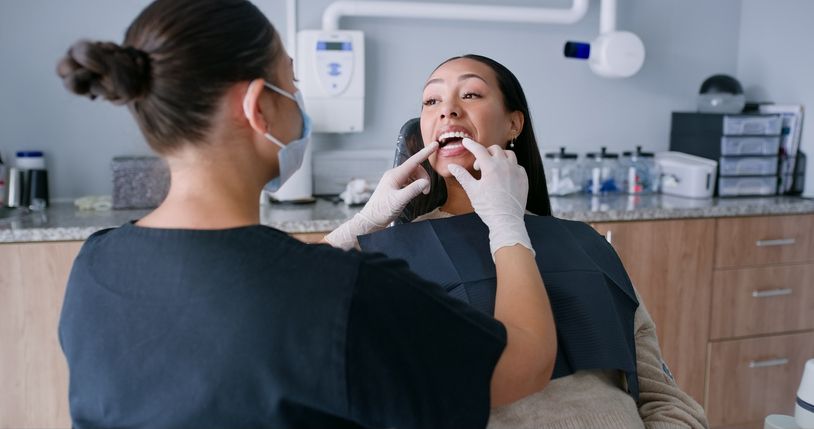
At Complete Health Dentistry of NEPA, Dr. Michael C. Rogers and his compassionate team understand the powerful connection between oral health and overall well-being. As a certified Perio Protect provider and a member of numerous prestigious dental organizations, Dr. Rogers is dedicated to utilizing the latest advancements in dental care to improve the health of his patients. Periodontal disease, also known as gum disease, is a major area of focus in his practice, particularly because it affects so many people.
In this article, we'll explore the connection between genetics and gum disease, and how patients can take steps to manage their risk through advanced treatments like Perio Protect, Laser Dentistry, and personalized care.
Understanding Periodontal Disease
Periodontal disease occurs when the tissues that support your teeth—gums, ligaments, and bone—become infected. It is a major cause of tooth loss in adults, and it’s linked to many systemic conditions, including diabetes, heart disease, and stroke.
Symptoms of gum disease can include swollen, bleeding gums, bad breath, and even pain while chewing. Unfortunately, some individuals may be more prone to periodontal disease due to their genetic makeup.
The Role of Genetics in Gum Disease
Genetics can influence the likelihood of developing periodontal disease, with studies showing that up to 30% of the population may be genetically predisposed to the condition. These individuals may have an immune system that responds to bacteria in the gums in a way that accelerates inflammation and damage to the supportive structures of the teeth. While genetics play a role, lifestyle choices such as smoking, diet, and oral hygiene practices are also critical factors.
At
Complete Health Dentistry of NEPA, Dr. Rogers and his team focus on a comprehensive health approach, understanding that a detailed evaluation is key to identifying risk factors like genetic predisposition. They offer services such as oral DNA testing, which can help identify bacterial strains linked to periodontal disease, allowing for a more targeted treatment plan.
The Connection Between Gum Health and Overall Health
Dr. Rogers emphasizes the importance of the
mouth-body connection, particularly in how gum health can impact overall health. Poor gum health has been linked to various systemic health problems, including heart disease, diabetes, and even complications during pregnancy. As a member of the American Academy of Oral Systemic Health, Dr. Rogers is committed to educating patients on the far-reaching effects of periodontal disease.
By addressing periodontal disease early, patients can reduce their risk of more serious health issues down the line. At Complete Health Dentistry, patient education is a cornerstone of care. Dr. Rogers takes the time to explain the connections between oral health and overall well-being to every patient, ensuring they understand the importance of preventive care.
The Stages of Periodontal Disease: What to Look For
Periodontal disease develops gradually, and understanding the different stages can help you identify issues before they become severe. Here's an overview of the stages, so you can be proactive about your oral health:
1. Gingivitis (Early Stage)
Gingivitis is the earliest form of gum disease, and it typically starts with inflammation and redness of the gums. This stage is often caused by plaque buildup along the gumline. You might notice symptoms such as:
- Red or swollen gums
- Bleeding gums, especially when brushing or flossing
- Slight bad breath (halitosis)
At this stage, the damage to the gums is usually reversible with improved oral hygiene and professional cleaning. Gingivitis is often painless, which is why many people overlook it. However, if left untreated, it can progress to more serious forms of gum disease.
2. Mild Periodontitis
As gingivitis progresses, it can develop into mild periodontitis. In this stage, the bacteria from plaque begin to spread below the gumline, causing the gums to pull away from the teeth. This can result in:
- Gums that are tender and bleed more easily
- Increased bad breath
- A slight feeling of looseness in teeth
Although mild periodontitis can be managed with professional treatment, it’s important to act quickly. The longer the disease is allowed to progress, the harder it is to reverse the damage.
3. Moderate Periodontitis
At this stage, the bacteria have caused more significant damage to the gums and supporting structures of the teeth, such as the ligaments and bone. You may experience:
- Deepening of gum pockets (the spaces between the gums and teeth)
- Tooth sensitivity and discomfort
- Teeth becoming visibly loose
- Swelling and bleeding of the gums
Treatment for moderate periodontitis typically involves scaling and root planing (a deep cleaning) to remove plaque and tartar from beneath the gumline. Additional treatments, such as laser therapy or antibiotic therapy, may be needed to control infection.
4. Advanced Periodontitis
If moderate periodontitis is left untreated, it can advance to severe periodontitis. In this stage, significant damage occurs to the bone and tissue supporting your teeth, which may lead to:
- Large, infected gum pockets
- Teeth shifting or becoming loose
- Severe discomfort when chewing or touching the teeth
- Potential tooth loss
At this point, tooth extraction may be necessary if teeth are too damaged to save. Treatment can include more invasive procedures like gum surgery, bone grafting, and even dental implants.
Why This Matters
Understanding the stages of periodontal disease helps you take control of your oral health. Regular visits to Dr. Rogers at Complete Health Dentistry, along with early detection through exams and screenings, can help prevent the progression of gum disease. If caught early, gingivitis and mild periodontitis can often be reversed, preserving both your teeth and overall health.
Innovative Treatments for Managing Gum Disease
Perio Protect: One of the innovative treatments offered at Complete Health Dentistry is
Perio Protect, a non-invasive method for managing gum disease. This system uses custom-fitted trays that deliver medication directly to the infected areas of the gums. It's particularly effective for patients who have a higher genetic risk of periodontal disease, as it helps to control bacteria and reduce inflammation.
Laser Dentistry: For patients dealing with advanced gum disease, Dr. Rogers utilizes
laser dentistry, which allows for more precise and less invasive treatments. Laser technology can target infected tissues without harming healthy tissues, promoting faster healing and minimizing discomfort.
These cutting-edge treatments, combined with Dr. Rogers’ commitment to personalized care, help manage gum disease in a way that is both effective and compassionate.
At-Home Gum Treatment
In addition to professional care, Dr. Rogers encourages patients to practice
at-home gum treatment to manage their oral health. Daily brushing, flossing, and using mouthwash are essential for keeping the bacteria at bay. For those with genetic risks or existing periodontal disease, the team at Complete Health Dentistry may recommend additional at-home treatments, such as antimicrobial mouthwashes or prescription-strength toothpaste.
Common Dental Problems Linked to Gum Disease
While periodontal disease is a primary concern, there are other
common dental issues that can exacerbate gum problems:
- Tooth Sensitivity: Sensitive teeth can result from gum recession caused by periodontal disease, leaving the tooth roots exposed to hot or cold stimuli.
- Receding Gums: As gum disease progresses, gums can recede, leading to increased tooth sensitivity and a higher risk of tooth decay.
- Bad Breath: Chronic bad breath or halitosis is a common symptom of periodontal disease, caused by the bacteria that thrive in infected gum tissue.
FAQs: Your Questions About Periodontal Disease Answered
Q: How do I know if I’m at risk for periodontal disease?
A: While genetics can play a role, lifestyle factors such as smoking, poor oral hygiene, and diabetes increase your risk. Dr. Rogers can help assess your risk through a thorough dental exam, including oral DNA testing.
Q: Can periodontal disease be reversed?
A: While advanced stages of gum disease may not be fully reversible, it can be effectively managed and controlled with treatments like Perio Protect and
Laser Dentistry. Early intervention is key to preventing severe damage.
Q: How can I prevent gum disease?
A: Good oral hygiene,
regular dental checkups, a healthy diet, and avoiding tobacco use are essential for preventing gum disease. Dr. Rogers also recommends patients maintain a healthy lifestyle to support their immune system.
Q: What are the signs that I might have gum disease?
A: Common symptoms include red, swollen, or bleeding gums, persistent bad breath, tooth sensitivity, and loose teeth. If you experience any of these signs, it's important to schedule an appointment with Dr. Rogers right away.
Conclusion
At Complete Health Dentistry of NEPA, Dr. Michael C. Rogers and his team take a complete-health approach to dental care, focusing on the connection between your oral health and your overall well-being. Understanding how genetics can affect the likelihood of developing periodontal disease is just one part of the equation. With advanced treatments like Perio Protect and Laser Dentistry, Dr. Rogers can help patients manage their gum health effectively, regardless of their genetic predisposition. If you’re in the Honesdale, PA area and concerned about your risk for gum disease, schedule a consultation today and take the first step toward a healthier smile and body.